The Rooted Reset
“That person is like a tree planted by streams of water, which yields its fruit in season and whose leaf does not wither.”
A gentle seven-day guide to quiet your mind, tend your body, and root your spirit — pairing Scripture with small, doable wellness practices you can begin today.
Welcome.
A word before you begin.
Hey — before anything else, hear this: you don’t need to be fixed. You need to be tended. This little guide rests on a simple conviction — that lasting wellness isn’t something we hustle our way into. It’s something we grow, slowly, in season. Like the tree in Psalm 1, a flourishing life is fed by living water, grows at its own quiet pace, and bears fruit that lasts.
Over the next seven days, you’ll get one short practice each day. Each one pairs a passage of Scripture with a wellness practice that’s grounded in evidence — breathwork, a gentle reframe, gratitude, a moment of Sabbath. We believe biblical truth and good practice are friends, not rivals. All truth is God’s truth.
There’s nothing to buy, nothing to perform, nowhere to rush. Read the verse. Sit with the reflection. Try the practice. Write if you’d like. Seven minutes a day is plenty. You’re not behind. You’re right on time.
How to use this guide
Each day has four simple parts:
- Scripture — the anchor for the day.
- Reflect — a short thought to sit with.
- Practice — one small, doable action (2–7 minutes).
- Journal — a prompt to write or think through.
“Rooted in faith. Growing in wellness. Living with purpose.”
Plant Your Roots

A tree doesn’t strain to grow. It just stays where the water is. The picture the psalmist paints of a flourishing life isn’t one of hustle and hurry — it’s one of position. Planted near the source. So today, think about where you’re planted. What streams are feeding you? What’s slowly draining you dry? Flourishing doesn’t start with doing more. It starts with drawing from the right water.
Sit comfortably, feet on the floor. Press them down a little and notice the support right beneath you. Breathe in for four, hold for four, exhale for six. As you exhale, say quietly: I am planted. I am held. This is a simple nervous-system regulation technique (slow exhale breathing) that signals safety to your body — a way of wandering back to the stream.
What’s one ‘stream of water’ in your life right now — a person, practice, or habit that nourishes you? What’s one thing slowly draining you?
Come and Rest

Rest isn’t a reward you earn by finishing your list. It’s an invitation handed to the weary — which is all of us. Notice that Jesus doesn’t say come and I’ll give you more to do. He offers rest. Your exhaustion isn’t a character flaw; it’s a signal. The only question is whether you’ll let yourself receive.
Wherever you feel tension — jaw, shoulders, stomach — just bring your attention there. Don’t try to relax it. Just notice. Then lengthen your exhale: in for four, out for eight. Long exhales wake up the vagus nerve, which calms your body’s stress response. Let each long breath be a small letting-go — a receiving of the rest being offered.
Where in your body are you holding tension right now? What would it look like to receive rest today — not as a reward earned, but as a gift accepted?
Renew Your Mind

Renewing your mind isn’t positive thinking. It’s the slow, honest work of noticing the patterns that shape us — the anxious loops, the old accusations, the stories that whisper not enough — and choosing a different thought. Scripture calls it renewal; psychology calls it cognitive reframing. Both name the same freedom: you’re not stuck with the first thought that shows up.
Notice one anxious or self-critical thought today (something like I’m failing at everything). Write it down. Then ask: Is this entirely true? What’s the evidence against it? Now write a truer, kinder thought you can actually believe (maybe I’m behind on some things, and I’m still faithful in others). This is the renewing of the mind, one thought at a time.
What’s one thought that’s been on repeat in your mind this week? What might a truer, kinder version of it sound like?
Honor the Temple

Your body isn’t a project to be optimized, or an enemy to be subdued. It’s a temple — a place where God dwells. Honoring it doesn’t mean perfection; it means listening. Drinking water, moving gently, resting, feeding yourself well — not as punishment, but as care for something sacred. How differently would you treat your body if you remembered it was a dwelling place?
Sit or lie down. Slowly move your attention from the top of your head down to your feet, pausing at each part — face, neck, shoulders, chest, stomach, hands, legs, feet. Don’t change anything; just notice with kindness. Where’s there ease? Where’s there tension? This builds interoception — the ability to hear what your body’s been trying to tell you.
What’s one small way you can honor your body today — a glass of water, a walk, an earlier bedtime, a kind word to yourself in the mirror?
Cast Your Cares

Paul doesn’t say stop feeling anxious — as if we could just switch it off. He gives the anxiety somewhere to go: present it. Anxiety grows in the dark, in the loop of our own minds. It loosens when we name it and hand it over. Notice the order: prayer, petition, thanksgiving. Gratitude isn’t denial of the hard thing; it’s the refusal to let the hard thing be the whole story.
Pick a short phrase to breathe with. On the inhale: Lord, I cast my cares on You. On the exhale: Your peace guards my heart. Repeat slowly for five minutes. If your mind wanders, just come back — that returning is the practice. This blends contemplative prayer with paced breathing, settling both spirit and nervous system.
What’s one care you’re carrying today that you can name and release? Name three things — even small ones — you’re genuinely grateful for right now.
Remember Whose You Are
Before you were a role, a title, a to-do list — you were fearfully and wonderfully made. The world will measure you by productivity, appearance, achievement. Psalm 139 measures you by belonging: you are known, you are knit together, you are wonderful. Self-compassion isn’t self-indulgence; it’s agreement with how God already sees you.
Rest a hand gently over your heart. Acknowledge the difficulty you’re in: This is a moment of struggle. Remind yourself you’re not alone: Struggle is part of being human; others feel this too. Then offer yourself kindness: May I be gentle with myself. May I remember I am wonderfully made. This is the evidence-based self-compassion practice — grounded in the truth that you are known.
If you spoke to yourself today the way God speaks of you in Psalm 139, what’s one thing you would say? Write it to yourself.
Abide
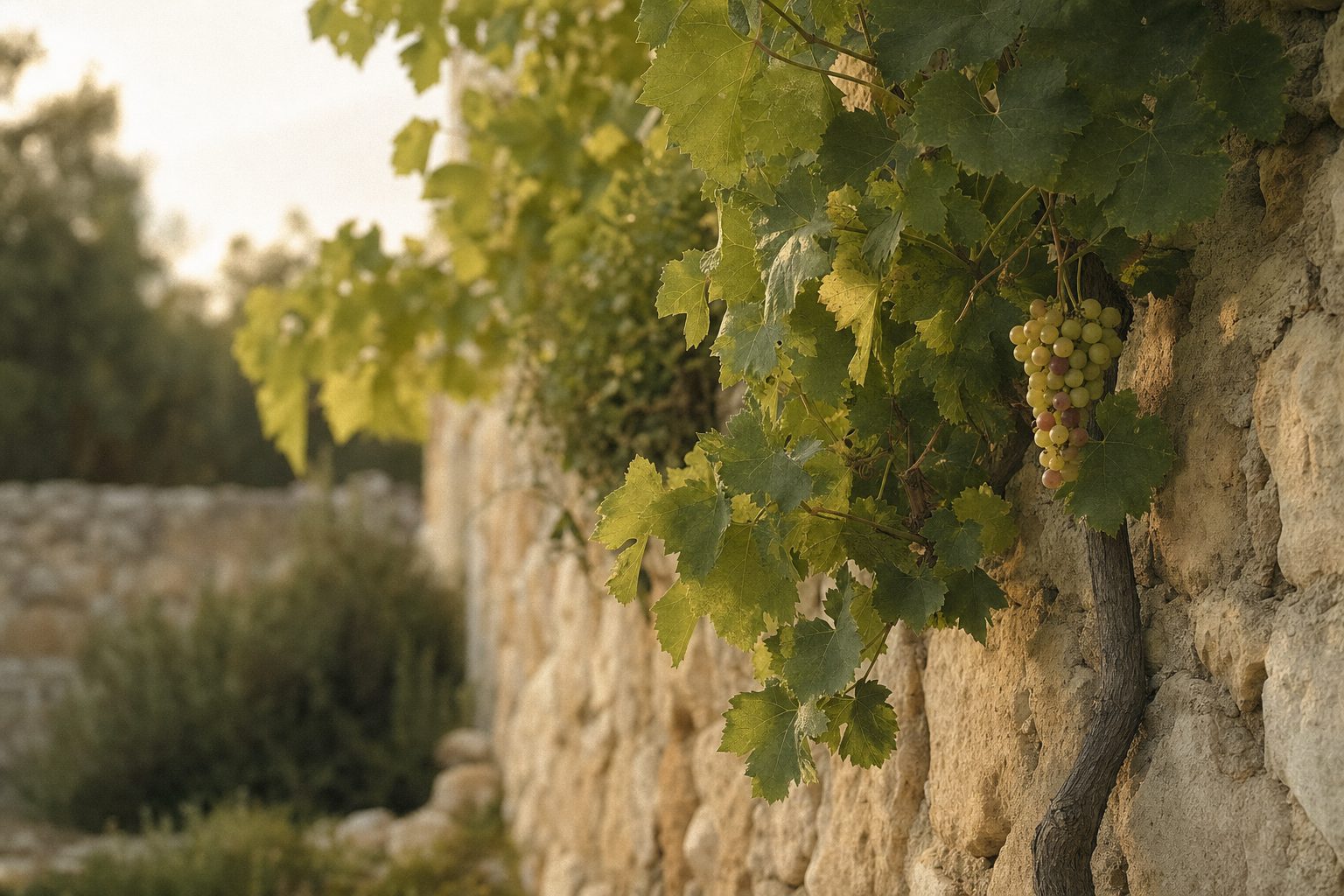
Abide is an old word for staying. Jesus doesn’t say produce more fruit — he says remain. The fruit isn’t the goal; it’s the result of staying connected to the source. We’re tempted to measure our days by output — how much, how fast, how visible. Jesus measures by connection. Abiding isn’t laziness; it’s the recognition that nothing lasting grows apart from the vine.
For seven minutes, do nothing productive. No phone, no list, no fixing. Sit, walk slowly, or look out a window. If guilt floats up, let it pass. This is a Sabbath moment — a tiny protest against the belief that your worth depends on your output. You’re a branch, not the vine. Just remain.
What would it look like to measure this week not by what you produced, but by how connected you stayed to the Source? What’s one way you want to keep abiding after these seven days?
When the seven days end
The tree keeps growing.
You haven’t finished. You’ve begun. The tree of Psalm 1 doesn’t arrive at flourishing in a week — it stays planted, season after season, and the fruit comes in its own time. Same with you. Carry one practice forward. Keep wandering back to the stream. Keep drawing from living water.
If this guide was a help to your mind, body, or spirit, we’d be honored to walk alongside you further. Rooted Wellness TX exists to tend whole-person health — grounded in faith, nourished by what God made good.
“Created from the earth. Designed to endure. Rooted in Christ.”